 (845) 896-9651

Divorce in New York
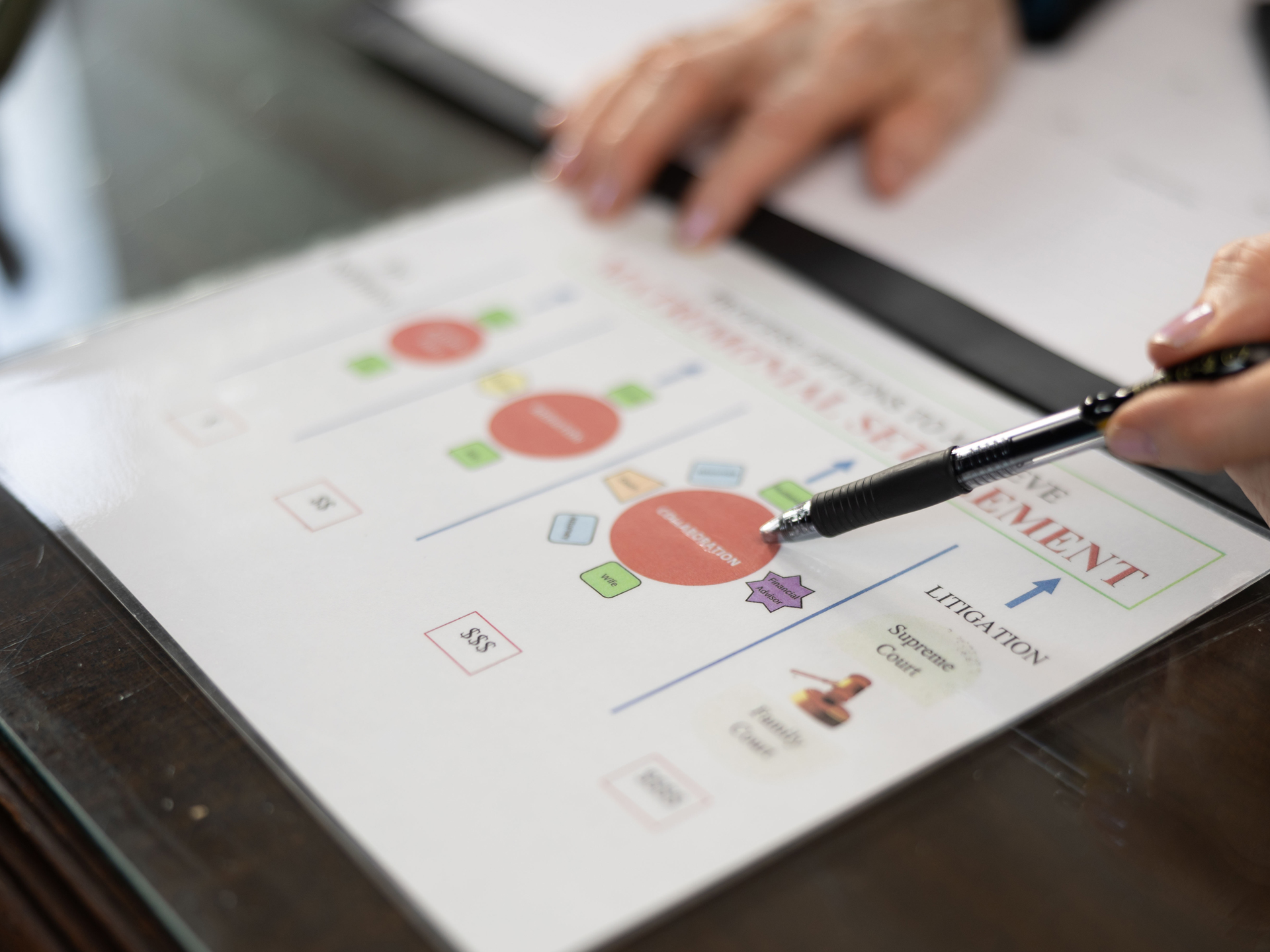
In 2010 a big change in New York law created a no fault divorce, regardless of whether the other person wants it or not.
New York State was the last state in the Union to permit a no-fault divorce. Until October of 2010, you could only get a divorce in New York, if you could prove fault. Now, you must reach agreement with your spouse about all relevant issues (See Issues to Resolve), sign a separation agreement, and then you can proceed with an uncontested divorce, or you can bring a divorce lawsuit, in which you ask for the divorce on any of the following grounds:
- Irretrievable breakdown of the marriage for a period in excess of six months;
- Adultery
- Abandonment for more than one year without just cause
- Refusal to have sexual relations for more than one year without just explanation
- Cruel and inhuman treatment sufficient to harm your physical or emotional welfare.
Each of these grounds have technical requirements, but the bulk of divorces are brought on the first ground — irretrievable breakdown of the marriage — because the law does not really provide for any defense against such a claim. As a result, if you or your spouse really wants a divorce, the other person may not be able to do anything about it. However, all of the financial and child related issues must be resolved, either by agreement between the parties, or by Court direction, before the divorce will be granted.

UPCOMING EVENT
Learn
About Divorce
Divorce 101 Webinar
What are the differences between mediation, collaboration and litigation? Open to the public and free of charge on Zoom.
Thursday, October 15th at 4:00 PM
Latest Blog Posts
-
DIVORCE MEDIATORS IN DUTCHESS, ORANGE AND ULSTER COUNTIES
The law firm of Lazar, Schwartz & Jones, LLP has established a new office in Orange County, New York located at 555 Hudson Valley Avenue in New Windsor. The proximity of this office makes it convenient and accessible for clients in both Orange and Ulster Counties. Our experienced divorce mediators are now available to serve…
-
Gray Divorce – How It’s Different
One in four divorces occurs between spouses over the age of 50. “Gray divorce” differs from divorces between younger people, who have more opportunity to rebuild their asset base post-divorce. In addition, couples who are more mature have different challenges than younger couples. All adults considering divorce need to fully understand their finances and need…
-
ESTATE PLANNING AFTER DIVORCE – A MUST!
If you are recently divorced and have received your Judgment of Divorce from the court, you are likely feeling relief for what was likely a lengthy and difficult process. The last thing you want to do is contact a lawyer to do estate planning and deal with more paper-work and legal issues. The reality, however,…
Call for a Consultation:
Call us at your convenience.